
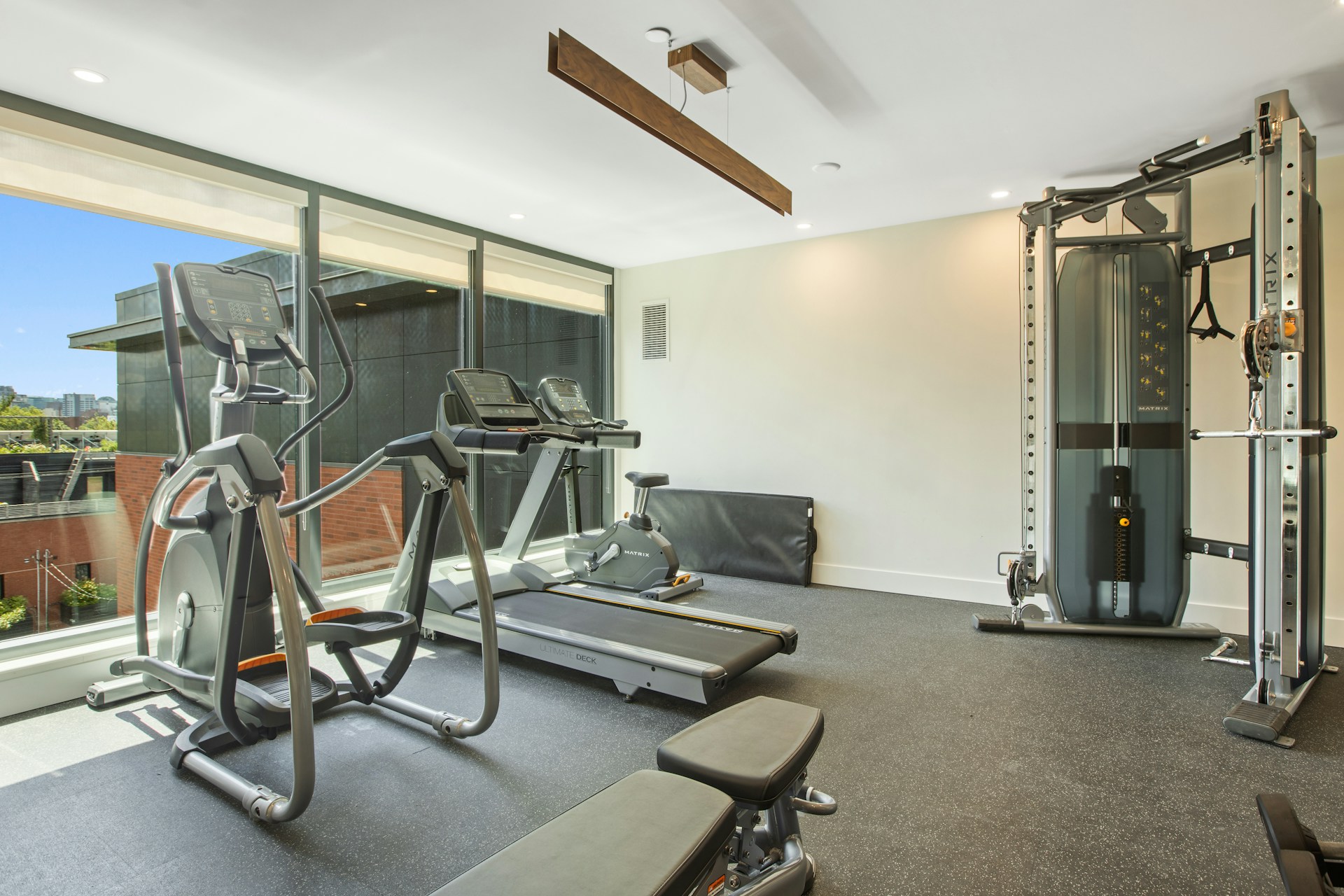
Home gyms are no longer just a temporary solution or a pandemic trend. The home gym market continues to grow through 2026, with the industry expected to reach $14.2 billion by 2028, even as commercial gyms reopen and welcome members. This shows that people have found lasting value in training at home.
You may wonder why home fitness continues to thrive when gyms have become completely accessible again. The answer lies in how people now view their health routines. Home workouts offer convenience and flexibility that fits into busy schedules. This year alone, the fitness industry brought on 10 million new gym and studio members, proving that people are investing in their health more than ever.
The home gym boom represents a sea change in the way you approach fitness. People are creating dedicated spaces in their homes and upgrading their equipment to create better training environments. Understanding why this trend persists can help you make better decisions about your fitness setup.
Key drivers behind home gym trends in 2026
The home gym market continues to expand in 2026 due to smart devices, sustainable lifestyle changes, and clear financial benefits that make at-home workouts more attractive than ever.
Technological advances in fitness equipment
smart technology has changed home fitness equipment From basic machines to connected training systems. Modern devices now include AI-powered workout programs that adapt to your fitness level and goals in real time.
These systems track your performance, suggest improvements, and automatically adjust the difficulty. You can access live classes, compete with others online, and get form corrections through built-in cameras and sensors.
The equipment itself has become more compact and space-efficient. Multi-function machines let you perform dozens of exercises in the footprint of one piece of furniture. Some appliances fold up when not in use or blend into the home’s decor.
Wearable devices now sync seamlessly with home gym equipment. Your heart rate, calories burned and recovery metrics feed directly into workout programs to customize each session.
Lifestyle changes after the pandemic
The shift to remote and hybrid work schedules has changed your approach to fitness. More people now work from home at least part-time, eliminating the need to choose between going to the gym or going straight home after work.
You can work out without leaving your home during your lunch break or between meetings. This flexibility makes it easier to exercise consistently.
Waiting for equipment in a crowded gym is no longer a part of your routine. You control when and for how long you work out, which appeals to people with unpredictable schedules or family responsibilities.
Privacy also matters more to many fitness enthusiasts. Working out at home means you can exercise without feeling self-conscious or having to deal with a busy locker room.
Economic Considerations and Cost Savings
A gym membership costs on average between $40 and $100 per month. Over five years, that adds up to $2,400 to $6,000, before including signup fees or annual rate increases.
Quality Home Gym Equipment It requires an upfront investment but pays for itself over time. A basic setup with weights, a bench, and resistance bands costs $500 to $1,500. A more advanced smart system costs $2,000 to $4,000.
You also save money on gas, parking, and travel time to the gym. These costs add up quickly when you exercise four or five times per week.
Multiple family members can use the home appliance without paying separate subscription fees. This reduces per capita costs even further in households where multiple people work regularly.
Evolving preferences and their impact on home fitness
People want more control over their workouts, more ways to connect with others digitally, and fitness solutions that fit their long-term health goals. These changing preferences are shaping how home gyms evolve and why they continue to grow.
Personalization and Smart Gym Solutions
You can now customize your workouts in ways that weren’t possible just a few years ago. Smart gym equipment uses AI technology to track your performance and adjust your training program based on your progress. These systems learn from your workouts and suggest changes to help you meet your specific goals.
Wearable devices connect with home gym equipment to give you complete data about your fitness journey. You can see your heart rate, calories burned, and workout intensity all in one place. This information helps you make better decisions about your training.
The equipment automatically adapts to your fitness level. If you’re getting stronger, the system increases resistance or suggests more challenging exercises. If you need recovery time, it recommends light workouts. This level of personalization required an expensive personal trainer.
Virtual training and the rise of online fitness communities
When you exercise at home you are no longer exercising alone. Virtual training platforms connect you with instructors who lead live classes from anywhere in the world. You attend these sessions at a time that suits your schedule.
Online fitness communities give you the social support that gyms used to provide. You share your progress, compete in challenges and get inspiration from other members. These groups exist on dedicated fitness apps and social media platforms.
The hybrid fitness model lets you track results whether you’re at home or hitting the gym occasionally. Your wearable device records everything, so you can see your combined progress at different workout locations. This flexibility means you’re not locked into one approach.
Long-term health and wellness priorities
You’re thinking about fitness as a lifelong commitment rather than a short-term goal. Home gyms support this mindset by removing common barriers like travel time and gym hours. You can maintain consistent workout habits more easily.
Your focus has shifted from just losing weight to building overall health. You want equipment and programs that support strength training, mobility work, and recovery. Home gym setups now include traditional equipment as well as yoga space, stretching areas, and recovery tools.
The convenience of working out at home helps you stay committed during busy periods, bad weather or when you are travelling. You form lasting habits because your gym is always accessible.
