

Like adults, children and young people sometimes experience overwhelming emotions such as bad mood, anxiety, irritability, anger, etc. as well as challenging behaviour.
Some people may sometimes find it challenging to sit still, pay attention, or interact with others. In most cases, these are simply specific developmental stages.
However, distinguishing between challenging behaviors and emotions that are part of normal development and those that may be cause for concern can be difficult. As a result, many children who could be helped by treatment do not get the help they need.
Importance of early intervention
Research has found that experiencing mental health symptoms before the age of 14 and even as young as five was predictive of mental health problems in adulthood.
Early identification and early intervention can significantly improve outcomes for children experiencing mental health problems, leading to better long-term prognosis and happier lives.
Identifying and addressing mental health concerns during the early years can help to provide them with some much-needed skills and strategies to carry with them throughout life and reduce the likelihood of more serious issues emerging later in life.
If your child’s behavior or feelings persist for weeks or longer, cause distress to your child or your family, or interfere with your child’s functioning at school, at home, or with friends, consider getting help. Get crisis help if your child is acting unsafely or talks about wanting to hurt themselves or someone else.
Common childhood mental issues that go deeper than normal developmental changes include:
-
social anxiety: : Fear of being judged or embarrassed in social situations, which can cause children to avoid places like school and worry about saying or doing something wrong.
-
separation anxiety: An intense fear of separation from the caregiver, causing children to avoid separation and worry about being harmed, lost, or unable to cope without their parents.
-
Generalized Anxiety: Excessive worry about many everyday things, often accompanied by physical symptoms – such as headaches or stomach aches – sleep problems, and frequent seeking of reassurance when feeling uncertain.
-
panic attacks: Sudden intense feeling of fear and physical symptoms. Typically affects adolescence and early adulthood. Teens with panic disorder are more likely to have a co-occurring depression.
-
OCD: It includes unwanted, repetitive thoughts (obsessions) and repetitive behaviors or mental rituals (compulsions) that a person feels driven to do to reduce anxiety or to feel “just right.”
-
trauma: Exposure to a very frightening or harmful event, which can manifest in children through games, images, nightmares, impulsive behavior and changes in emotions or development.
-
low mood: Low mood in children and teens may appear as irritability, loss of interest in activities, difficulty concentrating, and decreased school performance or trouble completing work.
-
Fear: Intense, persistent fear of specific things or situations – for example, heights, animals, injections – that are much stronger than normal for the child’s age and interfere with daily life.
In the YoungMinds survey, 75 per cent of parents said their child’s mental health had worsened while waiting for help from Child and Adolescent Mental Health Services (CAMHS).
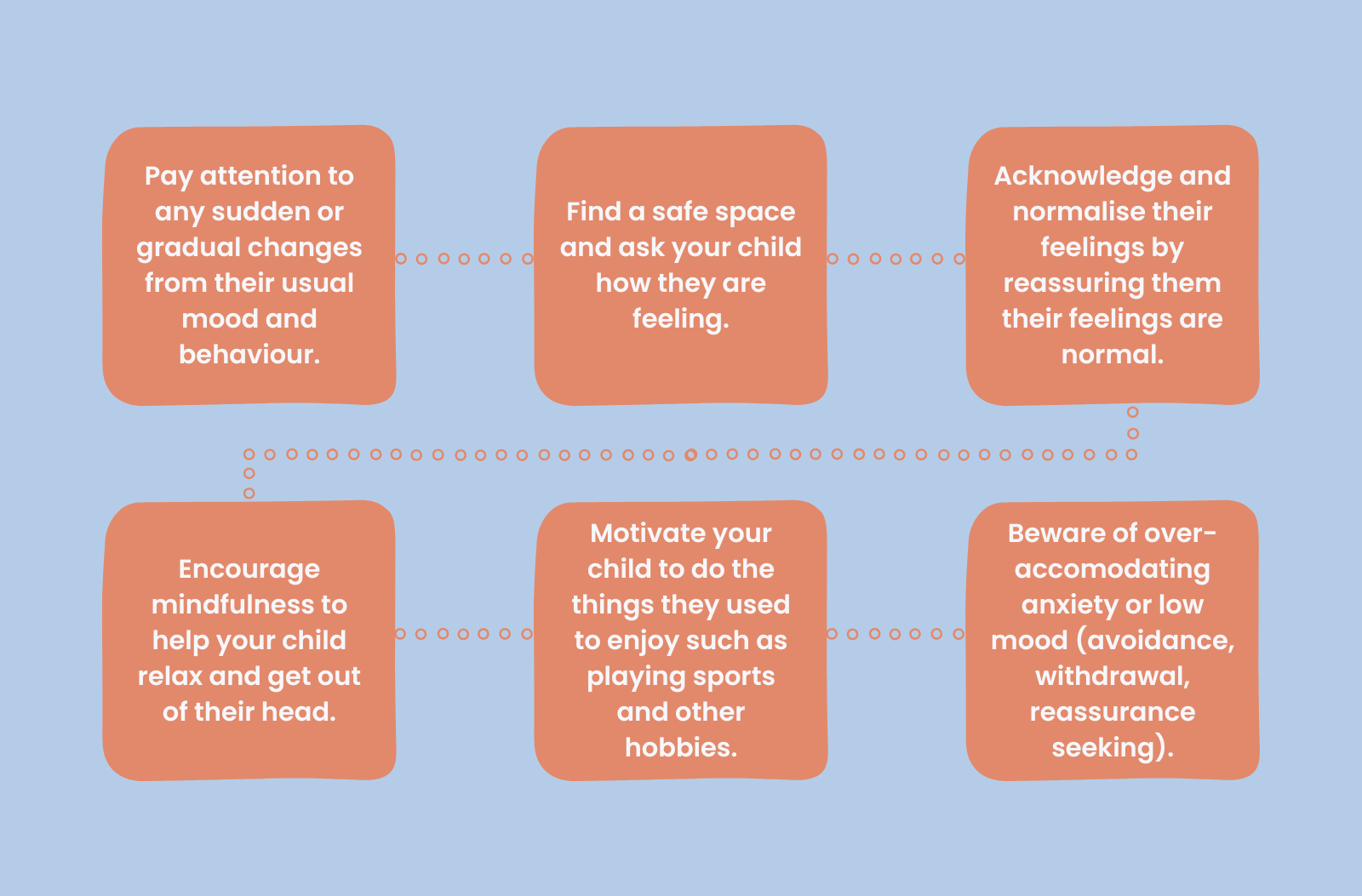
Encourage your child to engage in positive activities to keep themselves from becoming isolated
Positive activities such as exercise, hobbies, connecting with others often provide a sense of enjoyment and accomplishment.
Activities give the child something to look forward to, can help distract them from their worries, and more importantly, aid their recovery and boost their confidence.
Importance of structure and routine
Resetting your child’s biological clock – sleep and wake times, going to school and engaging in day-to-day activities is important for improving their overall health.
seek professional help
The right evidence-based interventions at the right time are essential for quick recovery and return to normal life. Some children and young people will need professional or special help at some point in their lives, and this usually involves seeing a therapist or psychiatrist.
If you are concerned about your child’s mental health, it is important to seek professional guidance immediately. Talking to your GP is the first step to accessing mental health services and general advice about treatment options.
However, unprecedented demand for mental health services in recent years has placed enormous pressure on the health care system, making prevention and early intervention more difficult. The cycle of poor mental health creates a significant burden for children and young people and their families.
Children and youth who receive effective evidence-based care at the right time to address problems before they get worse are more likely to recover and return to full functioning (Early Intervention Foundation, 2023).
CBT is an evidence-based talking therapy recommended by the National Institute for Clinical Excellence (NICE) as a first-line treatment for treating childhood mental health issues including anxiety disorders, depression and trauma.
CBT helps to identify the connections between thoughts, feelings, and behaviors that perpetuate the problem. It helps your child identify the triggers for their anxiety or bad mood and teaches them strategies to cope with situations that cause anxiety.
For children and young people, this means the child receives effective and targeted treatment to enhance their natural growth and development, improve quality of life and enjoy greater flexibility as adults.
Addressing mental health concerns on their journey to better mental health helps children and young people build resilience into adulthood.
