
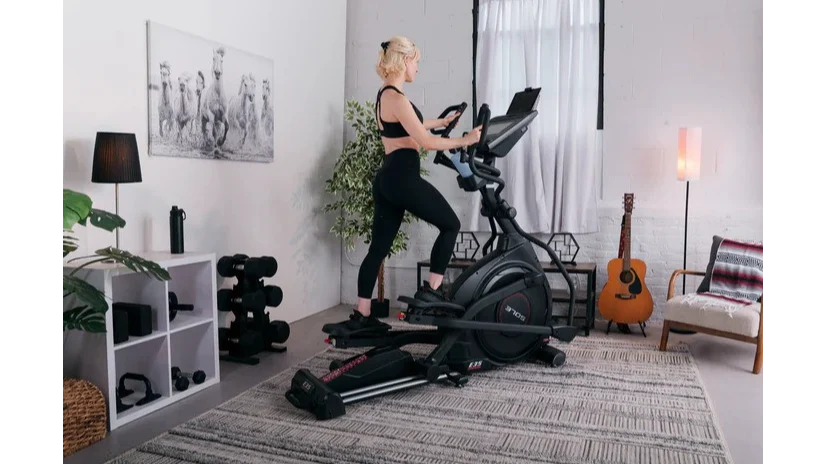
Salt Lake City, UT / Syndication Cloud / March 2, 2026 / Soul Fitness
key takeaways
- Stride length significantly affects workout comfort, muscle engagement and calorie burn on the compact elliptical.
- Height-based stride requirements range from 11-14 inches for users under 5’0″ to 20+ inches for users over 6’0″.
- Improper stride length leads to stiffness in gait, limited muscle activation and potential joint strain.
- Longer steps activate the glutes and hamstrings more effectively, while shorter steps focus on the calves and thighs.
- Testing stride length before purchase ensures maximum workout effectiveness and injury prevention.
When shopping for compact oval, Most buyers focus on price, features and location requirements. However, one important factor is often overlooked despite its massive impact on workout success: step length. This measurement determines whether each session feels natural and effective or awkward and counterproductive.
Why Stride Length Determines the Success of Your Elliptical Workout
Stride length refers to the distance from the frontmost position of your feet to the rearmost position during each elliptical cycle. This measurement directly impacts how comfortable, safe, and effective each workout actually is. Think of it as the foundation on which all other elliptical benefits rest.
When the length of the stride matches your natural walking or running gait, the movement feels fluid and sustainable. Your body moves through its intended range of motion, allowing proper muscle activation patterns and joint alignment. fitness expert Stride length is widely recognized as an important factor when selecting an elliptical, often ranking it among the most important considerations along with features such as resistance level, programs or display quality.
An optimal stride length also maximizes calorie burn potential. When motion feels natural, users can maintain higher intensity for longer periods of time without the fatigue and discomfort that comes from fighting against strange motion patterns. Research shows that proper stride mechanics are directly related to increased energy expenditure and improved cardiovascular benefits.
Height-Based Stride Requirements for Optimal Performance
Individual height is the primary determining factor for ideal stride length, although foot length and personal preferences also play a supporting role.
Users under 5’0″: 11-14 inches stride range
Shorter users generally feel most comfortable with a shorter length between 11 and 14 inches. This range allows full, natural motion without excessive extension or tension. Many compact ellipticals fall into this category, although buyers should verify that the specific model accommodates their height comfortably. Inexpensive elliptical trainers often feature stride lengths in the 14-17 inch range, which may seem too long for users under 5’0″ and create an unnatural, excessive gait.
5’0″ to 5’8″ users: 16-20 inch comfort zone
For users between 5’0″ and 5’8″, stride length typically ranges from 16 to 20 inches, with many finding 18 to 20 inches most comfortable, especially for those on the taller end of this range. This height range represents most elliptical users and matches up with the most common stride length offerings. The motion feels natural and sustainable, allowing users to focus on intensity and duration rather than fighting against awkward mechanics.
Users over 6’0″: 20-22+ inch range for full motion
Taller individuals need longer strides to achieve proper movement patterns and avoid feeling cramped during workouts. Users over 6’0″ generally need at least 20 inches, with many preferring 21 or 22 inches for optimal comfort. Unfortunately, many compact ellipticals do not accommodate these longer distance requirements, meaning taller users may either compromise the quality of their workout or look for a larger, more expensive model.
How the wrong stride length hurts your workout
Using an elliptical with improper stride length creates a cascade of problems that go far beyond simple discomfort. These problems tend to worsen over time, potentially leading to injury and missed workouts.
Very short: spasmodic movements and limited muscle involvement
When stride length falls below your natural limit, every step feels unsteady and restrictive. This motion prevents proper muscle engagement, especially in the glutes and hamstrings, reducing overall workout effectiveness. Users often compensate by increasing resistance or speed, which can place undue stress on the feet and ankles.
Small steps also limit range of motion, preventing the full muscle activation patterns that make elliptical training so effective. The workout focuses primarily on the calves and quadriceps, missing the posterior chain development that comes with proper stride mechanics. Over time, this unbalanced muscle engagement can contribute to strength disparities and movement dysfunction.
Too long: risks excessive extension and joint strain
Conversely, a height that exceeds your natural limit forces excessive extension on many joints, especially the hips and knees. This excessive motion places excessive stress on the joint capsule, ligaments, and surrounding muscles. Users often experience discomfort in the hip flexors, lower back, and knee joints during or after workouts.
Unnatural movement patterns also disrupt normal muscle firing sequences, potentially creating compensation patterns that persist beyond the workout. Some users develop chronic stiffness or pain from repeatedly forcing their body through ranges of motion that exceed their physical comfort zone.
Muscle target change with stride length
Stride length variations dramatically change which muscle groups receive primary activation during elliptical workouts. Understanding these differences helps users choose equipment that suits their fitness goals and training preferences.
Small steps: focus on calves and thighs
The short step length emphasizes the anterior leg muscles, especially the calves, quadriceps and tibialis anterior. The motion resembles a more vertical stepping pattern, which naturally recruits these muscle groups more strongly. Although it can provide excellent development of the lower leg, it cannot train the posterior chain.
Users seeking calf development or recovery from posterior chain injuries may benefit from smaller step options. However, most fitness goals require more balanced muscle activation patterns that effectively engage the entire lower body.
Long Steps: Increased glute and hamstring activation
Research shows that longer stride lengths promote glute and hamstring activation to a greater extent than shorter alternatives. This emphasis on the posterior chain creates more balanced muscle development and better functional movement patterns. Increased glute engagement also contributes to better posture, reduced lower back strain, and improved athletic performance.
Additionally, running long distances increases muscle activation, which is related to higher calorie burn rates. The glutes represent some of the largest muscle groups in the body, so their increased involvement directly impacts energy expenditure and metabolic benefits.
Calorie Burn Benefits of Proper Stride Length
Appropriate stride length adaptation can significantly influence calorie burn through several mechanisms. When stride length matches natural movement patterns, users can maintain high intensity for extended periods without the energy waste caused by fighting against awkward mechanics.
The increased muscle activation resulting from optimal stride length also increases total energy expenditure. Long moves that properly engage the glutes and hamstrings require more effort and energy than shorter, restricted movements. This increased muscle demand directly translates into higher calorie burn rates during and after exercise.
Plus, the comfortable stride mechanics allow users to focus on the intensity of the workout rather than the awkwardness of the movement. This mental and physical freedom enables longer session durations and higher perceived exertion levels, both of which contribute to increased total energy expenditure and improved fitness outcomes.
Test stride length before purchasing for maximum workout effectiveness
Despite all guidelines and recommendations, individual testing is still the most reliable method to determine stride length compatibility. Body proportions, flexibility, injury history and personal preferences can all influence optimal stride length beyond simple height measurement.
When testing an elliptical, focus on the quality of the movement rather than the features or resistance levels. Spend at least 5-10 minutes on each machine, gradually increasing intensity to assess comfort at different effort levels. Note any joint discomfort, muscle tension, or movement restrictions that develop during the testing period.
Consider bringing workout clothes and shoes to testing sessions, as proper footwear can significantly impact the running experience and comfort. Take notes on each machine’s experience Compare multiple models Before taking the final decision. A few extra minutes spent testing can prevent months of bad workouts and potential injury down the road.
sole health
56 Exchange Pl.
salt Lake City
union territories
84111
United States of America
The information contained on this page is provided by an independent third-party content provider. XPRMedia and this site make no warranties or representations in connection therewith. If you are associated with this page and wish to have it removed, please contact pressreleases@xpr.media
