
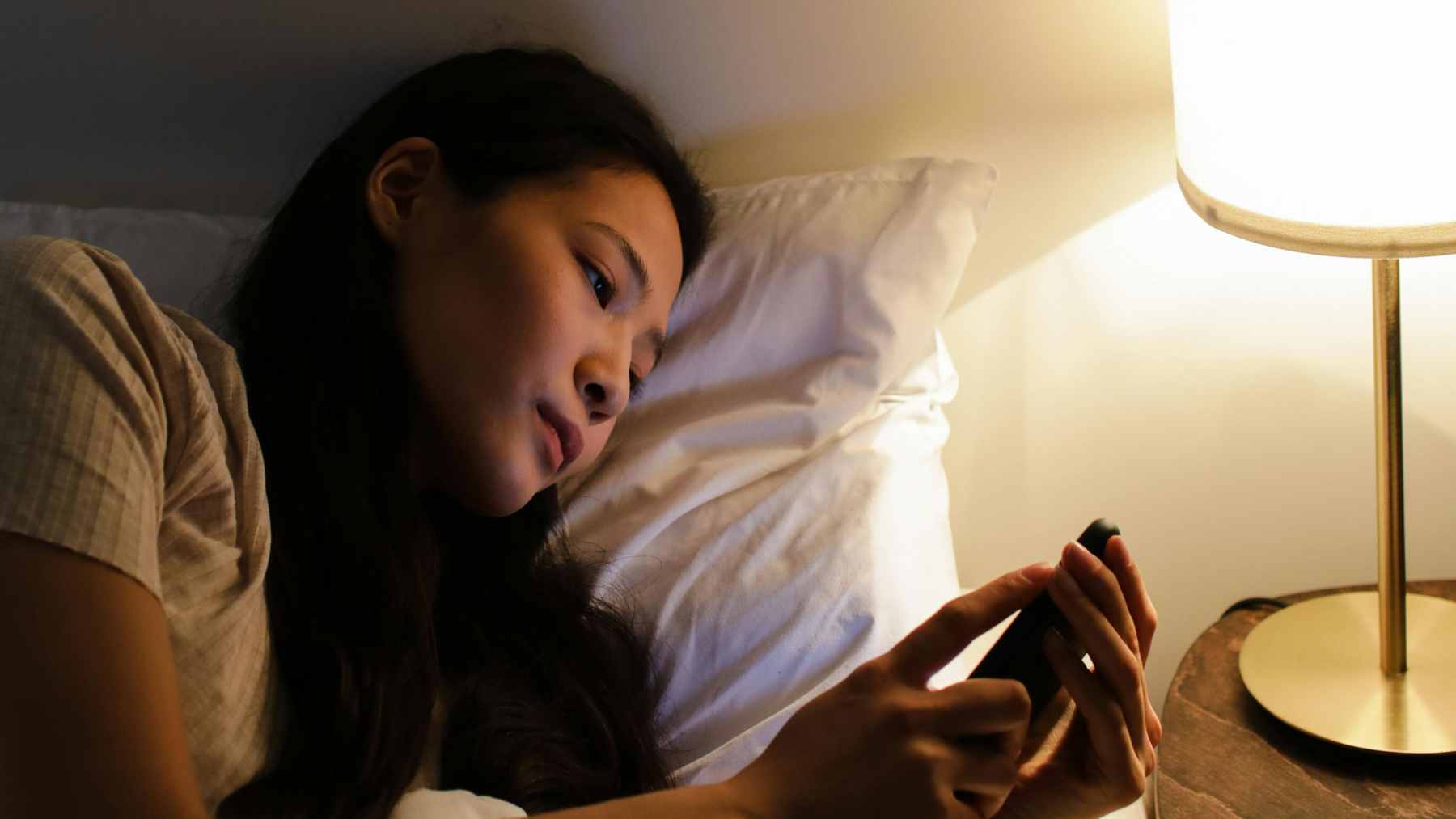
A bad morning doesn’t always start with an alarm clock. Sometimes it starts the night before, with a heavy dinner, late drinking, blaring phones, or a bedtime that keeps changing like a moving target.
Scientists and sleep experts are increasingly pointing to a simple idea: Sleep isn’t just about the number of hours you spend in bed. It’s also about the signals your body gets before you sleep, and those signals can either help your brain wind down or keep it working quietly.
your body keeps time
Your circadian rhythm is your internal body clock. It helps determine when you feel alert, when you feel sleepy, when your body temperature drops, and when hormones go into night mode.
The Centers for Disease Control and Prevention says healthy sleep habits include go to bed and wake up At the same time every day, turn off electronic devices before bed, and avoid large meals and alcohol before bed. Those tips may seem basic, but they target the exact habits that often leave you feeling “ok” at night and out of whack by morning.
Having late dinner increases work
A large meal close to bedtime tells your body to digest when it is trying to slow down. Essentially, this means your gut, hormones, and blood sugar control can remain active while the rest of you wants to rest.
one in controlled studyNina Vujovic and Frank Scheer of Harvard Medical School report that eating late increases hunger, alters hunger hormones, reduces energy use, and changes adipose tissue activity in ways associated with higher obesity risk.
This does not mean that eating late at night spoils your health, but making it a routine can take the body in the wrong direction.
Time also matters for blood sugar. A randomized crossover test found that eating dinner three hours earlier improved 24-hour blood sugar levels and fat metabolism after breakfast the next day compared to eating a later meal of the same energy content.
alcohol is a trick for sleep
Drinking alcohol at night can seem like a shortcut to sleep. The trouble is that it often helps the first step while hurting the rest of the journey.
The MD Anderson Cancer Center explains that alcohol can suppress REM sleep, the stage associated with dreaming, learning, memory and emotional processing. This is why someone may fall asleep quickly after a night’s sleep and still wake up groggy, restless, or strangely tired.
Its effects may be more intense in people who snore or have sleep apnea, a condition where breathing repeatedly stops or becomes shallow during sleep. Alcohol relaxes the throat muscles, which can worsen noisy breathing and wake you up at night.
Screens keep the brain awake
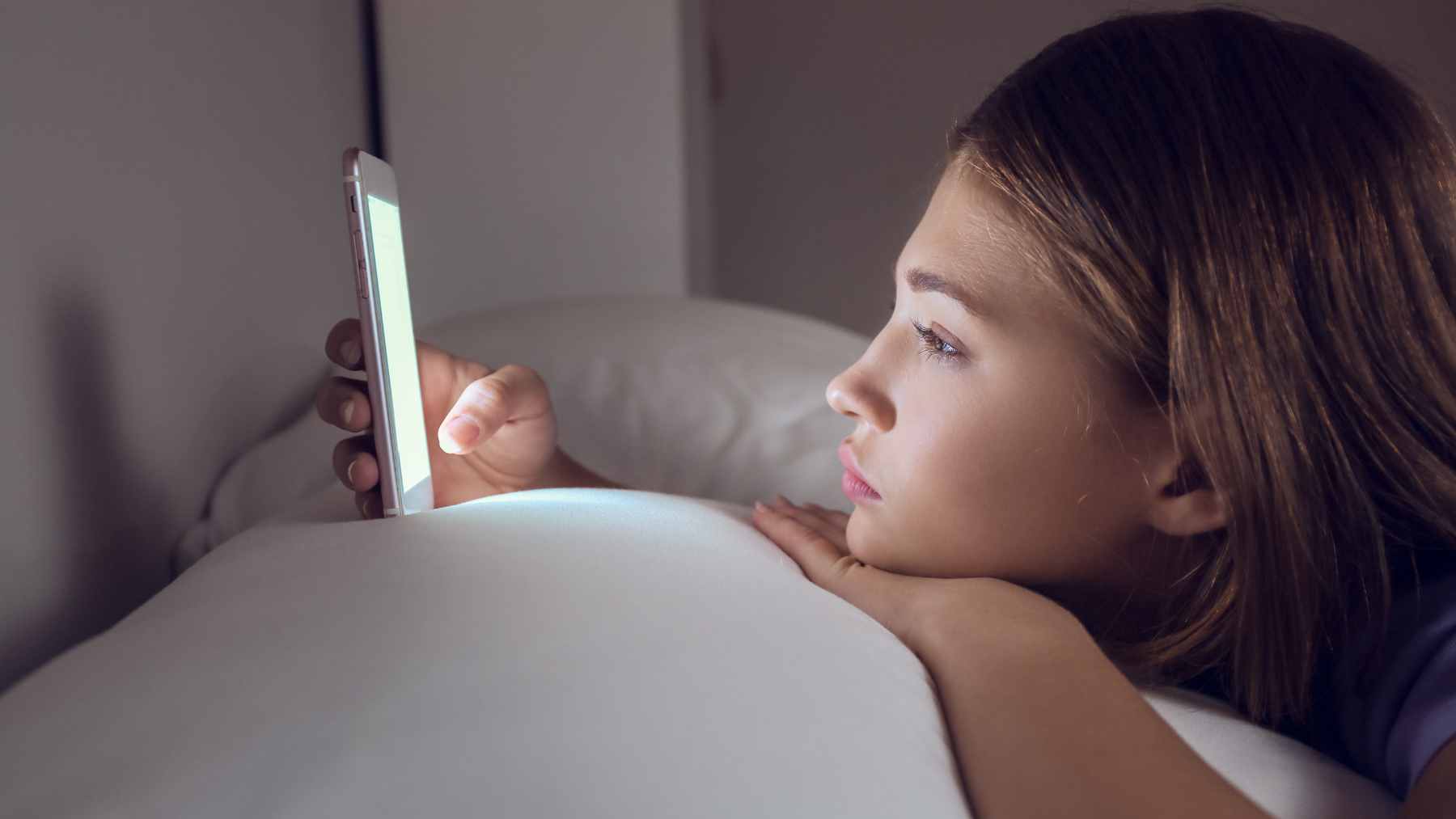
The phone on the bed is not just a little rectangle of light. It’s news, messages, tasks, videos and also hundreds of little reasons to keep the brain alert.
A famous PNAS study on light-emitting e-readers found that screen exposure in the evening delays the body clock, suppresses melatonin, which takes longer to fall asleep, reduces REM sleep, and reduces alertness the next morning. melatonin There is a hormone that helps tell the body that it is time to sleep.
Blue-light filters can help to some extent, but they’re not magic. Scrolling through stressful headlines or work email can keep the nervous system active, almost the same as leaving the front door open and expecting quiet in the house.
weekend jet lag matters
Social jet lag occurs when your sleep schedule on free days is very different from your sleep schedule on work or school days. You don’t need to fly anywhere to feel it.
A 2025 study using data from 4,438 US adults found that social jet lag of more than an hour was associated with a higher likelihood of metabolic syndrome among adults with normal sleep duration.
Metabolic syndrome means a group of problems like high blood pressure, high blood sugar and unhealthy cholesterol patterns.
This doesn’t mean everyone needs military-level discipline. For the most part, the body handles shorter shifts better than a schedule that increases by two or three hours every weekend.
the bill comes in the morning
Poor sleep quality can show up as slow thinking, poor focus, moodiness, and that overwhelming feeling where coffee feels less like a treat and more like an emergency tool. national heartThe Lung and Blood Institute says lack of sleep can affect learning, concentration, reaction time, decision making and memory.
This explains why one may feel tired the next day even after spending a sufficient number of hours in bed. Your sleep may be long, but not steady, deep, or timely.
So can you give up these habits? Not completely, and not overnight. But eating dinner earlier, not drinking alcohol close to bed, parking the phone outside the bedroom, and keeping wake times more predictable can provide the body with clear instructions.
When habits are not enough
One important caveat: If sleep remains light, broken, or refreshing despite improved habits, the problem may not be your routine.
Loud snoring, morning headaches, choking or gasping during sleep, and severe daytime sleepiness are symptoms that should be discussed with a doctor. At that time, the problem may be insomnia, sleep apnea, restless legs syndrome, or any other sleep disorder that requires proper diagnosis.
The main scientific work referenced here on eating and metabolism has been published late cell metabolism.
