
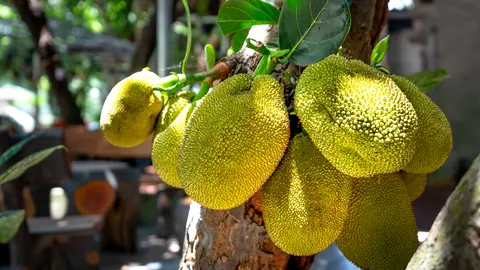
For generations, jackfruit has been a quiet food in Kerala households – a reliable, affordable source of nutrition that has earned it the humble title of “poor man’s fruit”. Now, the state wants to give this iconic fruit a new identity, moving it from the kitchen table to the forefront of the conversation on health and wellness.
While jackfruit has long been woven into the state’s culture – appearing in everything from traditional curries and steamed dishes to chips, jams and desserts – its nutritional value and potential health benefits have been largely unappreciated. This is beginning to change, as increasing scientific interest sheds light on the fruit’s nutritional profile and its potential role in dietary management.
Recent research on the medicinal properties of raw jackfruit has sparked discussion about how this abundant produce can support human health. These discussions have included studies examining the fruit’s effects on general health, as well as its potential applications in dietary support, including for cancer patients, which researchers are continuing to study. The renewed focus reflects a broader effort to recognize the value of traditional foods in contemporary diets.
With Kerala producing around 14.3 lakh tonnes of jackfruit annually, the state is sitting on a vast, under-utilised resource. Currently, only a small portion of this crop reaches the commercial market, yet the potential to raise awareness of its nutritional value remains important. Through a government initiative involving the agriculture and health departments, the state aims to bridge the gap between this seasonal bounty and its practical health benefits.
The aim is to make jackfruit a recognized part of contemporary, healthy diets. From the inclusion of jackfruit dishes in the Kerala Legislative Assembly canteen to plans for educational campaigns in schools and colleges, this momentum is already visible. By teaching younger generations about the nutritional value of the fruit, the state hopes to revive interest in the traditional food, ensuring it is valued not only for its availability, but also for its role in a healthy diet. (IANS)
